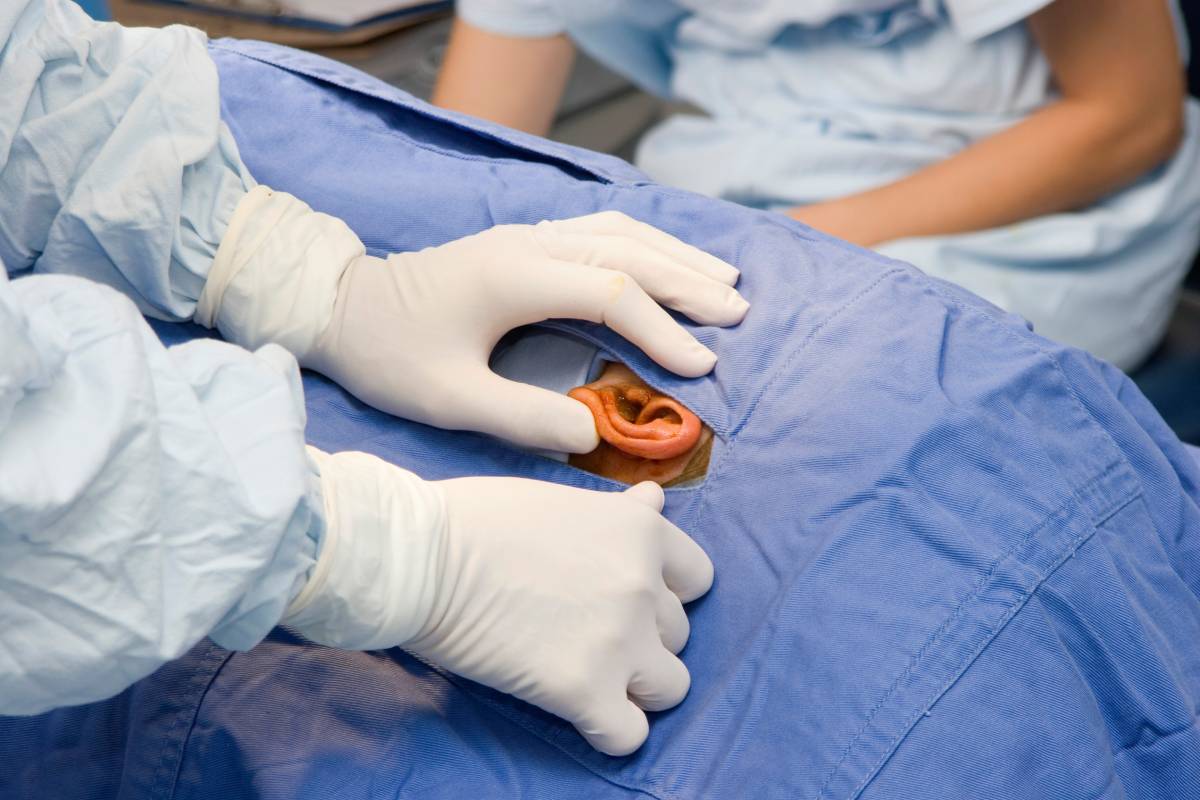
Cochlear implants (CIs), which offer a life-changing solution for people with severe hearing loss, traditionally require inpatient surgery to monitor potential postoperative complications. Advances in surgical technique and anesthesia management have made outpatient cochlear implant procedures increasingly viable, with benefits that include reduced costs and faster recovery times.
Streamlined surgical techniques and standardized recovery protocols have shortened procedure duration, enabling same-day discharge and reducing infection risks associated with prolonged hospital stays.
Ideal candidates for outpatient cochlear implant surgery are healthy adults or children over 12 months without complex medical histories. Patients with significant cardiovascular conditions or prior ear surgeries may still require inpatient care for appropriate monitoring.
Studies comparing cochlear implant surgery in inpatient and outpatient settings report similar complication rates, with infection rates below 1% in both settings. Device activation typically occurs one to two weeks post-surgery, with follow-up appointments or telemedicine options available to monitor and adjust the implant settings.
Outpatient procedures are estimated to be up to 30% less expensive than inpatient procedures, though some research shows no significant cost reductions depending on facility and payer structures. As evidence continues to accumulate, outpatient cochlear implantation is becoming an increasingly accepted standard of care.