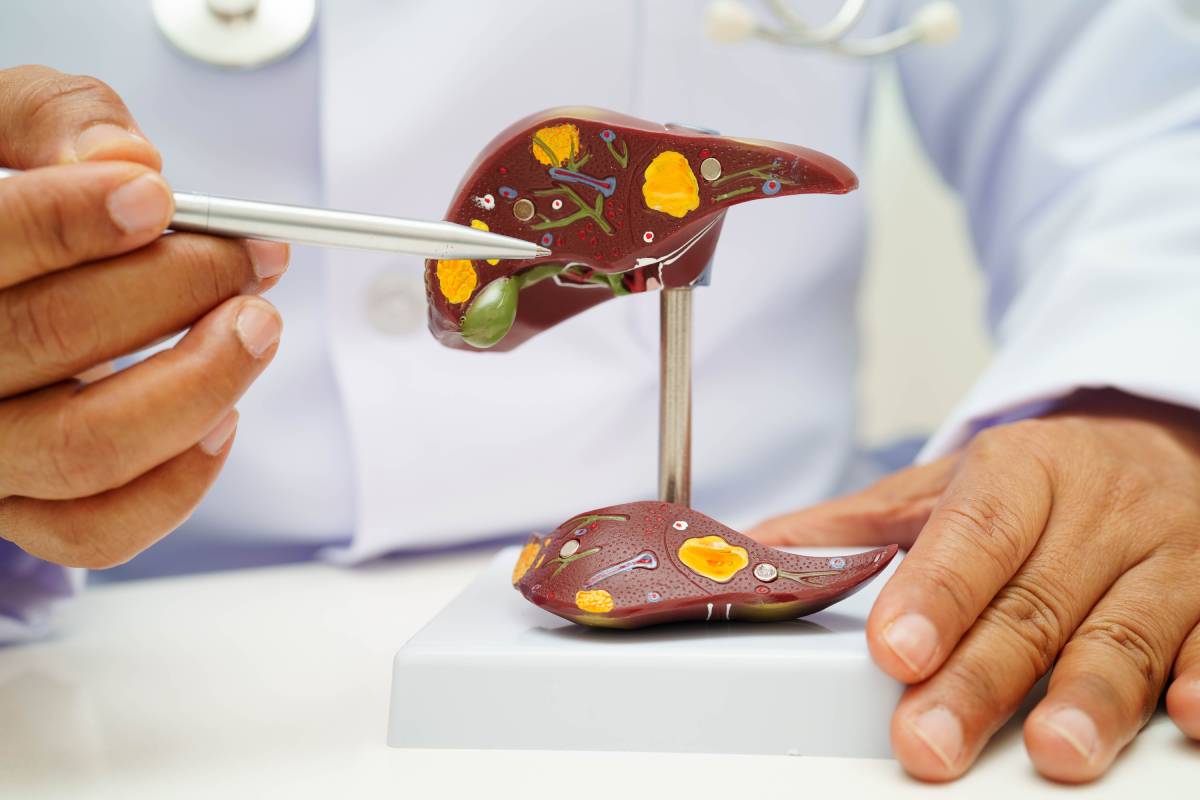
When halothane was first introduced in 1956, it was widely celebrated as a revolutionary advancement in general anesthesia. The drug lacked flammability, had a pleasant smell, and enabled rapid, smooth induction with minimal airway irritation. Yet by 1958, postoperative liver necrosis cases began to emerge, and within just eight years, approximately 350 documented cases of halothane hepatitis had surfaced.
Research identified multiple contributing risk factors: repeated exposure, middle age, obesity, and genetic predisposition. Among 251 suspected cases, 82% involved multiple exposures, with 75% experiencing repeated use within 28 days. The condition predominantly affects patients over 40, peaking between ages 50 and 60. Obese individuals face heightened risk because halothane accumulates in adipose tissue, which delays its excretion.
Susceptibility may be hereditary, showing a correlation between the development of postoperative liver failure and Mexican-Indian or Mexican-Spanish descent.
Liver damage likely stems from oxygen imbalance in hypoxic regions. Halothane undergoes two metabolic pathways in the liver: oxidative metabolism and reductive biotransformation. Both pathways generate potentially toxic byproducts that may cause direct hepatic injury through reactive free radical intermediates.
Modern alternatives - isoflurane, desflurane, and sevoflurane - follow different metabolic routes and prove far less hepatotoxic. Halothane has largely been replaced by these safer alternatives, though limited use persists in resource-constrained and veterinary settings due to affordability.