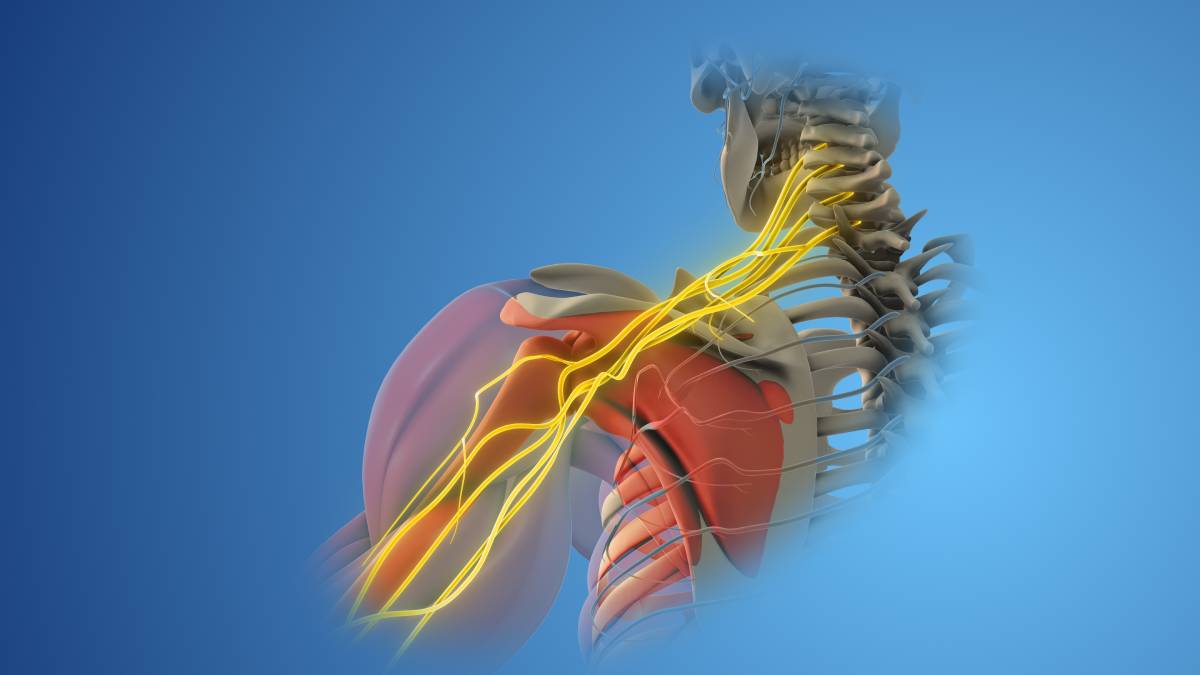
Nerve blocks are an important tool in anesthesia care and pain management, offering effective relief for many procedures and conditions. They work by disrupting pain signal transmission along specific nerves through the injection of anesthetic or anti-inflammatory medication.
The brachial plexus block targets the nerve network controlling shoulder, arm, and hand movement and sensation. It is used both for surgical anesthesia and for chronic pain management including complex regional pain syndrome. Peripheral nerve blocks target the median, ulnar, and radial nerves to address conditions such as carpal tunnel syndrome, cubital tunnel syndrome, and radial tunnel syndrome.
The interscalene block addresses cervical nerve roots supplying the shoulder and upper arm and is commonly utilized for shoulder surgeries and frozen shoulder management.
The procedure involves patient positioning, vital sign monitoring, local anesthesia application at the skin, and ultrasound or fluoroscopic guidance for precise needle placement and medication injection. The numbing effect takes between 20 and 40 minutes to take effect and lasts up to 24 hours.
The advantages of arm nerve blocks include localized pain relief that minimizes systemic side effects, reduced dependency on oral pain medications, and improved functional recovery. Risks, while rare, include nerve damage, infection, nerve root injuries, and paresthesias, emphasizing the importance of skilled technique and real-time imaging guidance.