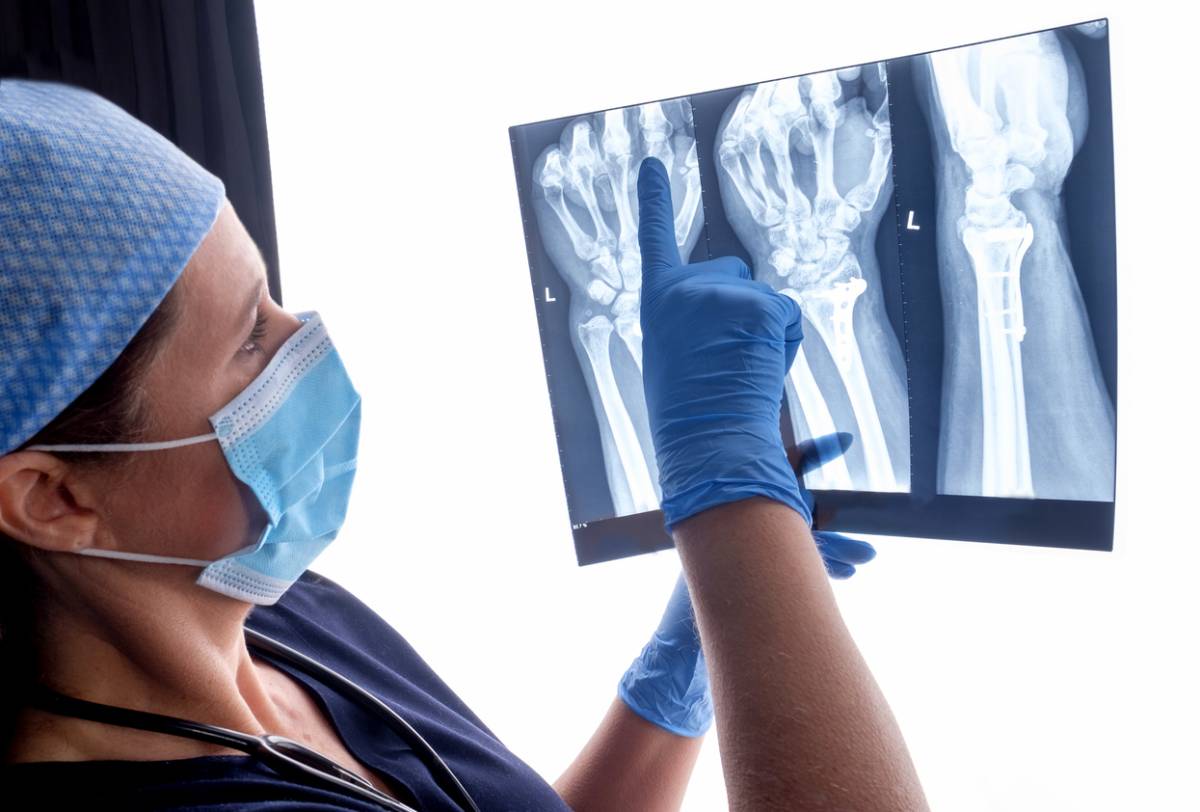
Bone fracture is a common injury. There are many ways to repair bone fractures, including immobilization using a cast or a splint, or closed reduction to realign bones without surgery. However, some fractures require surgical intervention to achieve proper alignment, stability, and healing.
The need for surgery to treat bone fractures depends on factors like the type of fracture, the bone that was fractured, the cause of the fracture, and the prior health of the fractured bone. Displaced fractures - where bone pieces have shifted, creating gaps - are more likely to require surgery than non-displaced fractures. Complex fractures involving multiple break locations or those that extend into a joint similarly warrant surgical consideration.
Femur and humerus fractures commonly require surgical repair. Femur fractures typically involve intramedullary nailing due to the high-energy traumatic mechanisms often responsible for these injuries. Humerus fractures frequently necessitate open reduction internal fixation to restore alignment and function.
Untreated or inadequately treated fractures risk serious complications including infection, formation of blood clots, and damage to the surrounding tissues, muscles, or skin. Long bone fractures can result in fat embolism, a potentially fatal complication requiring prompt recognition and management.
The decision to pursue surgical versus non-surgical management is individualized and depends on fracture characteristics, patient health status, activity goals, and the treating surgeon's assessment. Anesthesia plays a critical role in both operative and procedural fracture management, helping support patient comfort and safety throughout the treatment process.