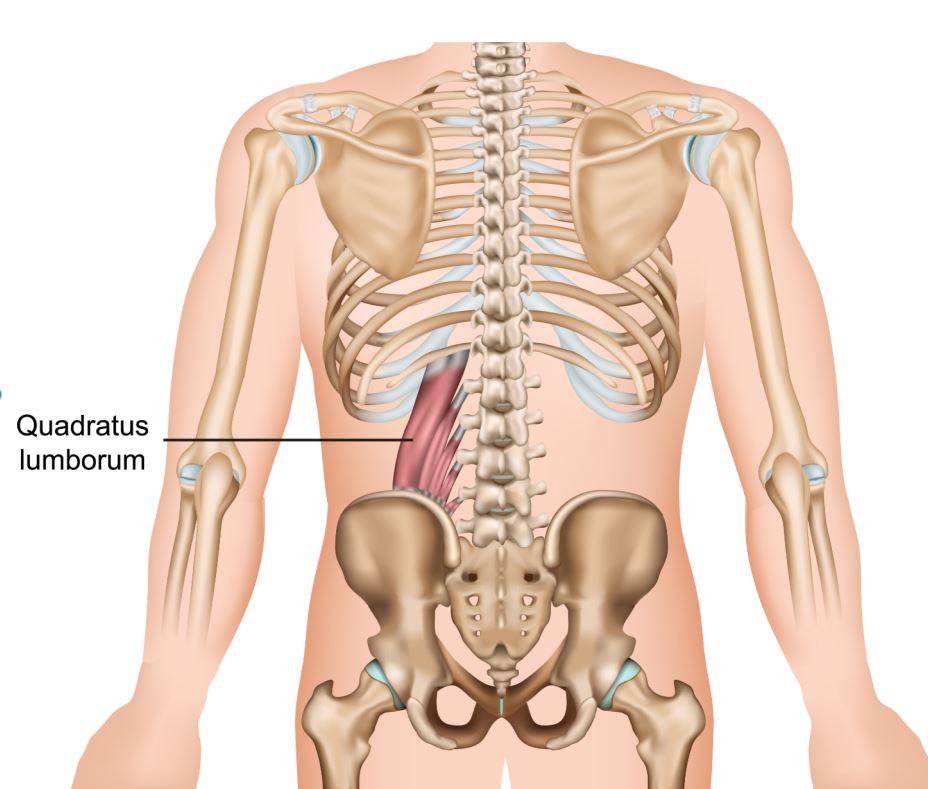
The Quadratus Lumborum (QL) block, an innovative regional anesthetic technique, is rapidly gaining popularity in the medical field. The technique involves injecting local anesthetic into the fascial plane surrounding the quadratus lumborum muscle in the posterior abdominal wall.
The lateral approach is most commonly used and can provide pain relief for abdominal, flank, and hip regions during surgeries such as cesarean sections, hip replacements, and abdominal procedures. The anesthetic works through a combination of peripheral and central actions, blocking pain signals while potentially spreading to thoracolumbar nerves for broader somatic and visceral coverage.
Ultrasound guidance enhances the safety and precision of the QL block by enabling real-time visualization of the needle tip, surrounding structures, and local anesthetic spread. This reduces the risks of vascular or organ puncture that can occur with landmark-based techniques.
Key benefits of the QL block include reducing opioid dependency and associated side effects such as nausea, constipation, and respiratory depression, enabling faster recovery and earlier mobilization, and potentially preventing the development of chronic post-surgical pain.
The QL block represents an important advancement in multimodal postoperative pain management, offering anesthesiologists an effective tool to enhance patient recovery while supporting opioid-sparing anesthetic strategies.