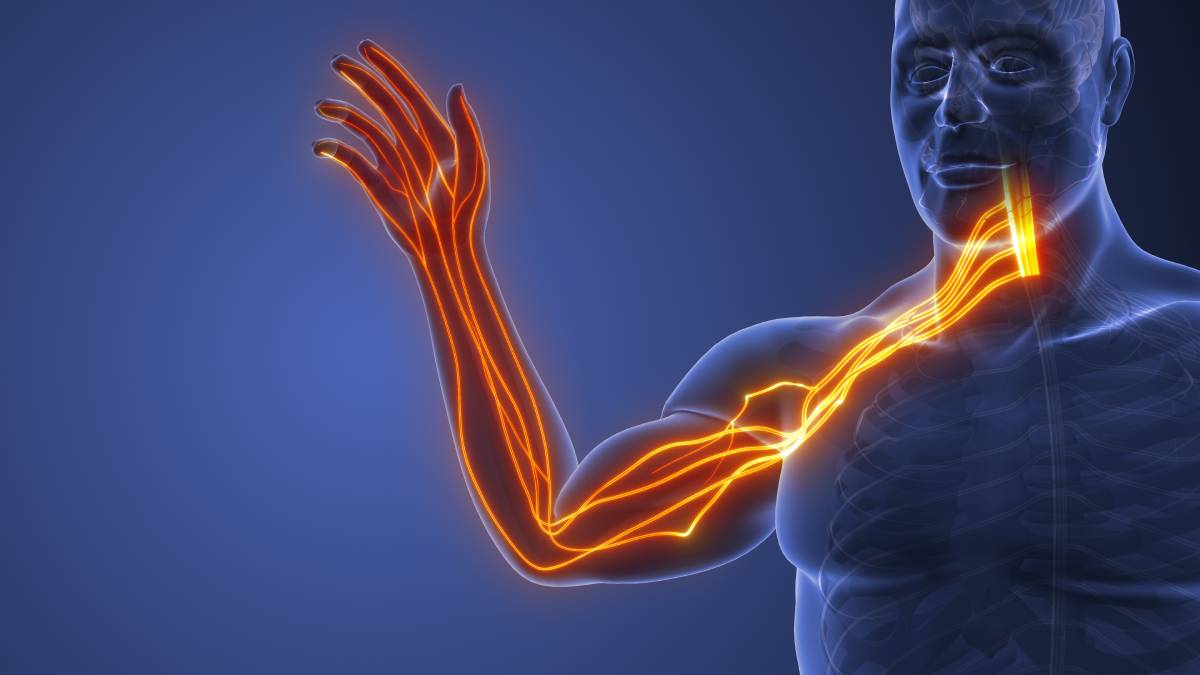
Rebound pain after peripheral nerve block occurs when the block wears off and a patient experiences pain that feels more intense than what is expected from the underlying surgical injury alone.
Several theories account for rebound pain development, including the sharp contrast created when sensation returns suddenly after prolonged numbness, temporary changes in nerve excitability, and increased susceptibility in procedures involving significant tissue inflammation such as shoulder or knee surgeries.
Patients typically experience minimal discomfort for 8-18 hours post-surgery while the block remains active. Pain intensity escalates quickly upon sensation return, peaks within the first hour after block resolution, then gradually subsides over several hours.
Clinical approaches to management include preemptive oral pain control using non-opioid medications such as acetaminophen or NSAIDs before block dissipation. Long-acting local anesthetics, dexamethasone additives, and continuous nerve catheters delivering medication for 1-3 days may reduce rebound pain intensity.
It is important to reassure patients that rebound pain is not usually a sign of nerve damage or block complications - it typically represents normal nervous system re-engagement with postoperative inflammation.